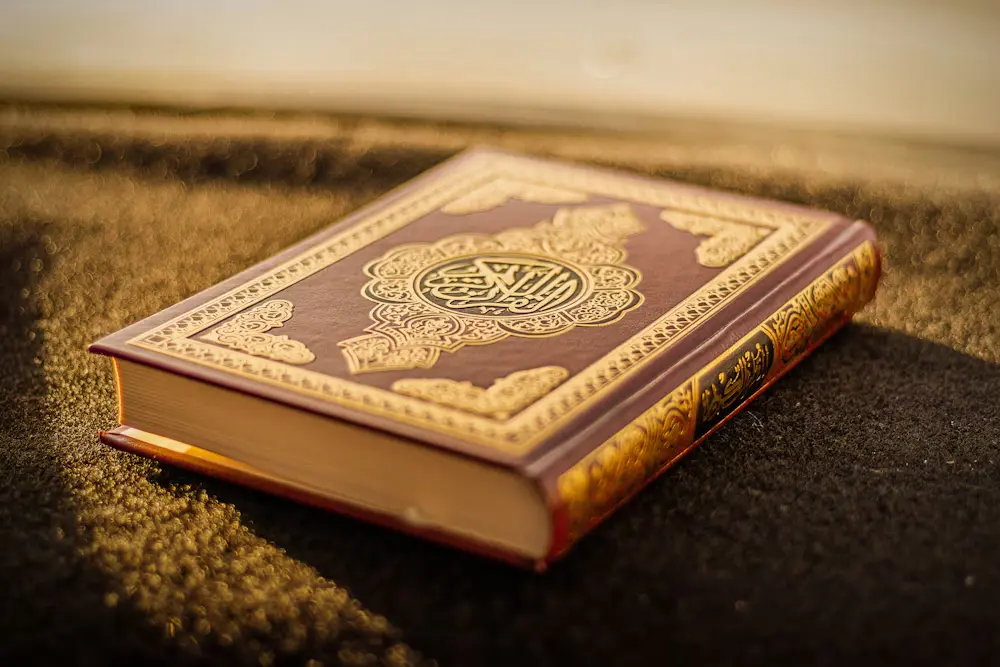
Ayat-ul-Kursi (آیة الکرسی), also known as the Throne Verse, is one of the most powerful and beloved verses of the Holy Quran. It is verse 255 of Surah Al-Baqarah, and it beautifully describes Allah’s Oneness, His authority over the heavens and the earth, and His everlasting knowledge.
Muslims across the world recite Ayat-ul-Kursi for protection, blessings, peace of mind, and strengthening faith. In this guide, we will explore its meaning, spiritual virtues, daily benefits, scientific insights, and FAQs so you fully understand why Ayat-ul-Kursi is called the greatest verse of the Quran.
Key Takeaways:
- Ayatul Kursi (verse 255 of Surah Al-Baqarah) is one of the most revered verses in the Qur’an, often called the Throne Verse.
- It describes Allah’s sovereignty, knowledge, and authority over the heavens and earth.
- Reciting it brings protection, spiritual peace, barakah (blessings), and closeness to Allah.
- Use it daily: after prayers, before sleep, for safety, and during distress.
- Supported by authentic hadiths & scholarly tafsir, it holds a central place in Islamic devotion.
What Is Ayatul Kursi? Arabic, Transliteration & Translation
Arabic (Quranic Verse):
اللَّهُ لَا إِلَٰهَ إِلَّا هُوَ الْحَيُّ الْقَيُّومُ ۚ لَا تَأْخُذُهُ سِنَةٌ وَلَا نَوْمٌ ۚ لَهُ مَا فِي السَّمَاوَاتِ وَمَا فِي الْأَرْضِ ۗ مَنْ ذَا الَّذِي يَشْفَعُ عِنْدَهُ إِلَّا بِإِذْنِهِ ۚ يَعْلَمُ مَا بَيْنَ أَيْدِيهِمْ وَمَا خَلْفَهُمْ ۖ وَلَا يُحِيطُونَ بِشَيْءٍ مِنْ عِلْمِهِ إِلَّا بِمَا شَاءَ ۚ وَسِعَ كُرْسِيُّهُ السَّمَاوَاتِ وَالْأَرْضَ ۖ وَلَا يَئُودُهُ حِفْظُهُمَا ۚ وَهُوَ الْعَلِيُّ الْعَظِيمُTransliteration:
Allāhu lā ilāha illā huwa al-Ḥayyu al-Qayyūm, lā ta’khudhuhu sinatun wa lā nawm, lahu mā fis-samāwāti wa mā fil-arḍ, man dhā alladhī yashfa‘u ‘indahu illā bi-idhnihi, ya‘lamu mā bayna aydīhim wa mā khalfahum, wa lā yuḥīṭūna bishay’in min ‘ilmihi illā bimā shā’, wasi‘a kursiyyuhus-samāwāti wal-arḍ, wa lā ya’ūduhu ḥifẓuhumā, wa huwa al-‘Aliyyu al-‘Aẓīm.
English Translation (Sahih International):
Allah — there is no deity except Him, the Ever-Living, the Sustainer of all existence. Neither drowsiness overtakes Him nor sleep. To Him belongs whatever is in the heavens and whatever is on the earth. Who is it that can intercede with Him except by His permission? He knows what is before them and what is after them, and they encompass not a thing of His knowledge except for what He wills. His Kursi extends over the heavens and the earth, and their preservation does not burden Him. And He is the Most High, the Most Great.
Core Meaning & Significance
Ayatul Kursi highlights key attributes of Allah: His exclusive divinity, eternal life, absolute knowledge, sovereign authority, and that nothing happens except by His will. Its references to “Kursi” (often translated as throne) point to the vastness of His dominion.
This verse is revered because it encapsulates fundamental beliefs in Tawheed (monotheism) and the connection between the Creator and Creation.
The Importance of Ayat ul Kursi in Islam
- Greatest Verse in the Qur’an: The Prophet Muhammad ﷺ declared Ayatul Kursi as “the greatest verse in the Book of Allah.” (Sahih Muslim)
- Protector & Shield: It is recited as a spiritual shield — from Shaytan, evil, and unseen harm.
- Spiritual Anchor: Regular recitation strengthens one’s faith, remembrance of Allah, and inner conviction.
- Promise of Reward: Reciting after each obligatory prayer brings rewards and blessings, and it is a key verse in many hadiths linking it to Paradise.
- Universal Accessibility: Whether in hardship or comfort, it serves as a link to Divine mercy and reassurance for believers across eras.
Ayatul Kursi Benefits
Protection from Evil:
One of the most celebrated benefits of reciting Ayat ul Kursi is its protective nature. Muslims believe that invoking this verse shields them from harm, both physical and spiritual. It acts as a barrier against malevolent forces, offering a sense of security and peace to those who recite it with sincerity.
Strengthening Faith:
Reciting Ayat ul Kursi regularly deepens one’s connection to faith. The verse serves as a reminder of Allah’s presence and guardianship, fostering trust and reliance on Him in times of adversity. Through its recitation, believers reaffirm their belief in the unseen and the divine decree.
Spiritual Benefits:
Beyond its tangible effects, Ayat ul Kursi brings spiritual nourishment to the soul. Its words resonate with a sense of awe and reverence, drawing individuals closer to the divine. Reciting this verse instills a sense of humility and gratitude, reminding believers of their place in the vastness of creation.
Understanding the Verse
Interpretation and Commentary:
Scholars and exegetes have offered various interpretations of Ayat ul Kursi, delving into its linguistic, theological, and metaphysical dimensions. Some view it as a proclamation of Allah’s sovereignty over the universe, while others emphasize its role in affirming monotheism and divine authority.
Historical Context:
The historical context of Ayatul Kursi enriches its meaning and relevance. Revealed in the aftermath of the Battle of Uhud, it served as a source of consolation and reassurance to the early Muslim community facing adversity. Its timeless message continues to resonate with believers across generations.
When & How to Recite Ayatul Kursi
Best Times to Recite
- After each obligatory prayer (Fajr, Zuhr, Asr, Maghrib, Isha)
- Before sleeping / entering one’s bed
- When exiting or entering the home (for protection)
- In moments of fear, uncertainty, distress
- While traveling or before embarking on journeys
Tips for Recitation & Memorization
- Teach children early — one of the greatest gifts in Islamic upbringing.
- Learn in small phrases and repeat until comfortable.
- Listen to a trusted reciter (Qari) and mimic pronunciation.
- Recite with understanding — reflect on the meaning as you recite.
- Consistency is better than volume — better to recite modestly daily than irregularly.
Hadiths & Scholarly Evidence
- Whoever recites Ayatul Kursi after every obligatory prayer, nothing prevents him from entering Paradise except death.” — (An-Nasa’i)
- The Prophet ﷺ told Abu Huraira that reciting it before sleep ensures protection until dawn. (Sahih al-Bukhari)
- Many tafsir works (Ibn Kathir, Qurtubi) explain its profound theological implications — such as Allah’s knowledge encompassing all that is seen and unseen.
When quoting hadiths, ensure you verify their chains (isnad) and present reliable sources (Sahih, Hasan).
Stories and Anecdotes about the Power of Ayatul Kursi
Throughout history, countless stories have emerged illustrating the transformative power of Ayatul Kursi. From miraculous interventions to personal testimonies of divine protection, these narratives serve as a testament to the verse’s enduring impact on the lives of believers.
Scientific & Psychological Reflections
While the core value of Ayatul Kursi is spiritual, modern psychology recognizes that repeated calm recitation, rhythmic patterns, and mindfulness of meaning can:
- Reduce anxiety and stress
- Enhance mental resilience
- Improve sleep quality (via meditative breathing)
- Increase emotional stability through inner focus and spiritual connection
Thus, Ayatul Kursi blends spiritual benefit and psychological upliftment.
Conclusion: Embrace Ayatul Kursi Daily
Ayatul Kursi is more than a verse — it is a daily companion, a spiritual fortress, and a bridge to the Divine. When recited with sincerity and reflection, it elevates the soul, guards the believer, and strengthens one’s conviction.
Incorporate it into your prayers, bedtime, and moments of uncertainty. Allow its words to resonate, reminding you that Allah is Ever-Living, All-Knowing, and All-Mighty.
May reciting Ayatul Kursi fill your life with barakah, protection, and deep spiritual peace.
FAQs about Ayatul Kursi
A: It is in Surah Al-Baqarah, verse 255.
A: Yes, multiple hadiths affirm its unparalleled status among verses.
A: At least after every obligatory prayer and before sleep. Additional recitation is meritorious.
A: Yes — many scholars include it among the strongest spiritual protections (ruqya).
A: Yes; while its status is within Islamic tradition, non-Muslims can study its meaning, marvel at its eloquence, and benefit from its universal message of divine majesty.
If you want more Quranic Blogs Click Here! And Download AnalyzeQuran App Click Here!